Why Is My Water Heater Making Noise
Why Is My Water Heater Making Noise?
If your water heater is making a strange noise, it’s worth looking into. Noise from a water heater usually means sediment buildup, which indicates that it’s time to get it looked at, or it may mean you need need to replace your water heater.
Popping Noises
If hear a popping sound coming out of your water heater, it means that there is a crust of sediment that has built up over time inside your water heater. Water will get trapped under this crust, slowly heat up, and then “pop” out from the crust once it boils. Water expands when heated. If it doesn’t have a place to go, pressure will build up until it escapes all at once. That popping you hear is countless tiny pockets of water constantly heating up and releasing pressure.
Rattling, Rumbling, or Knocking
If your water heater sounds like a big maraca, you might have some sediment build-up floating around inside your tank.
Unlike the popping from a crust inside your tank, rattling sounds could be chunks of sediment floating around inside the storage tank. These pieces of sediment noisily knock on the walls and parts inside the tank when they’re moved around by the turbulent water inside.
What Is Sediment Buildup?
The water we drink and use in our homes has little tiny bits of dissolved minerals (mostly calcium and magnesium) inside it called sediment. For us, this is completely safe. For our water heaters, sediment can eventually lead to a problem.
As your water heater sees use, sediment accumulates inside the tank. You can see something similar happen if you ever leave a pot of water on a hot stove. Eventually, if you forget about it, all the water will be gone, and you’re left mineral deposit on the bottom of your pot. The same thing happens with your water heater but magnified.
Over the years, your water’s sediment slowly accumulates inside the tank and on the components of your water heater. The sediment will form a crust or just sit at the bottom of your tank, but as time goes on, it will harden and begin to cause issues. This is why regular flushing is critical for your water heater’s health before the sediment becomes a problem.
The rate at which the sediment accumulates in your tank is largely dependent on the hardness of your water. Essentially, harder water means that you have more sediment and more sediment means faster build-up inside your tank.
Hissing From A Leak
A hiss coming from your water heater may indicate a leak.
One of the biggest issues we run into with water heater leaks is that our customer might say, “Oh, it’s not a big leak, so I’m not in a rush to replace it.”
This is a dangerous mindset!
A small leak on your water heater can rapidly get worse. Imagine this: You take a water balloon, and fill it with water then poke a tiny needle size hole into it. You’ll have a small amount of water come out, but it will be slow and not really an issue, right? Wrong. Now you take that balloon and hook it back up to the running faucet. That small hole expands really quickly, then causes the balloon to burst.
This is what will happen every time you use running water in your home. Your water heater receives new water from the city at a high psi. This is all pushing against that small leak which leads to a quick and dramatic failure. Call Peterson Plumbing and get your water heater replaced before this happens.
When your water heater tank itself has a leak, that means that it needs to be replaced. Unfortunately, unlike some issues with water heaters, when there’s a leak coming from the tank repairing it isn’t a viable option.
If you can determine that the leak is not coming from the actual tank of your water heater you’ll want to get it repaired, but you may be in luck.
If you hear hissing from your water heater, it’s best to call an expert at Peterson’s. They’ll be able to help you diagnose the problem and hopefully fix it, or if nothing else, get you a new water heater.
The Impact Of Sediment Build Up
If you’re concerned about what might be floating around in your tank and the safety of your water, you don’t have to be. While it’s not necessarily ideal for sediment to be bouncing around inside the tank of your water heater, all the sediment that’s in there came from the water itself. It’s a safe assumption that anything that accumulates in your water heater comes from the water that you’ve already been using in your home. So you don’t have to worry about an old water heater posing a threat to your health.
The sediment can impact your tank by making it less efficient, or in some cases, it can severely impair function. This is why it’s a good idea to flush your tank annually to remove the sediment build-up.
Sizzling, Screeching, And Whistling
Oftentimes if you hear sizzling, screeching or whistling sounds from your water heater that means that water is being pushed through an irregularly small opening through the water heater. This can be caused by sediment or a malfunctioning valve, or another path where water travels through the water heater.
If there is something wrong with a valve on the water heater, it’s worth getting looked at. It may mean that the connection on the valve is faulty or loose, but it could also mean that there is a blockage somewhere in your water heater. The blockage is likely caused, once again, by sediment buildup. The sediment may have accumulated in a valve or pipe where it restricts the opening where water is supposed to flow. This causes water to push through the tight opening and creates the sound you’re hearing.
In this scenario, it’s probably best to call an expert to identify the problem and go from there.
Hopefully, we’ve helped you find the next steps towards a more peaceful, quiet, and functional water heater.
Give us a call at Peterson Plumbing, Heating, Cooling & Drains to resolver your water heater issues.
 Nothing can take the merriment out of your holiday celebrations than having to deal with untimely plumbing mishaps. The holiday season creates an extra element of risk as temperatures can get much colder, creating the potential for frozen pipes.
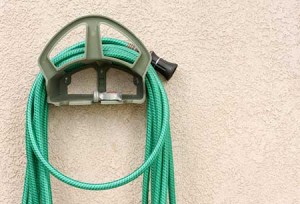 After you’ve been on the road, it is recommended that you circulate through your home and check that water is flowing freely from all of your faucets.
  With the 4th of July weekend just around the corner, its time to get your home ready for the star-spangled celebration.
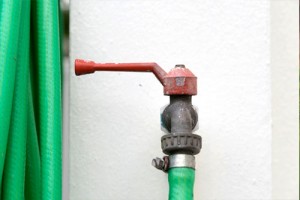 Winter is over! It’s time to turn your outside faucets on to wash and spray off the patio, clean your windows and run water for yard work purposes in the preparation for the 4th of July holiday.
 Test your soil for nutrients, PH, and mineral levels to learn what your soil is deprived oand add the recommended amount.
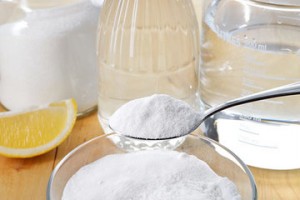 Do you have a garbage disposal in your kitchen sink? Are you noticing a smell that you just can’t get rid of? Is that odor growing to the point that you don’t like to be in your kitchen and your family members are beginning to complain? Are you wondering if your kitchen will ever return to normal? If you’ll be able to walk in without holding your nose?
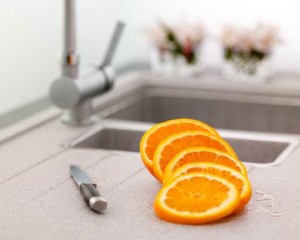 Tip #4: Don’t Underestimate the Power of Citrus
 Ready to take on those pesky odors in your kitchen? Remember these five top tips as you are working in your kitchen and trying to understand how your garbage disposal works and should be maintained over time.
 The wipe industry is a 13.2 billion dollar a year industry. These wipes were not only created as a means to clean yourself after using the bathroom, but are marketed as makeup removers, hand sanitizers, and household cleaners.
 If you are making your own wet wipes for cleaning, swapping out the toilet paper for paper towels is okay. Soaking them in miscellaneous, natural cleaning fluids results in a safe cleaning product. It is still not recommended that these products are flushed, but the material of paper towels is more biodegradable than traditional wipes.
 Make Sure Your Plumber is Licensed, Bonded and Insured
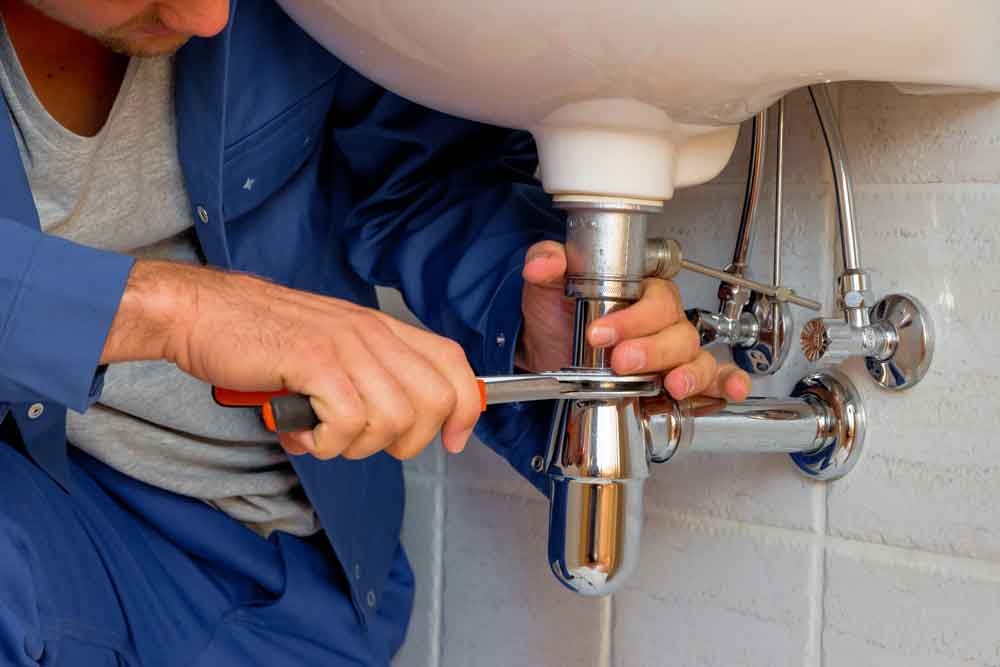 Most of the time, few even think about their pipes, connections, and fixtures, but when plumbing problems suddenly arise, it is almost always urgent.
 In fact, hard water can cause a multitude of problems, which is why many opt to have a plumber come install a water softener. Some of the most common hard water issues include: