The Dangers Of Carbon Monoxide
You can’t see it, hear it, or smell it… but it’s there. Carbon monoxide – the silent killer – takes the lives of nearly 500 people every year and sends another 50,000 to the emergency room. Unfortunately, many of these situations could have been easily avoided.
Protect yourself from carbon monoxide poisoning by understanding what it is and how to keep your family safe from the dangers of CO poisoning. Peterson’s believes in safe, healthy homes for all our neighbors. Get your furnace Inspection scheduled today give us a call.
What Causes Carbon Monoxide in Your House?
Appliances in your home that don’t burn fuel properly could leak CO. Signs to watch for that indicate a carbon monoxide problem include:
- Streaks of soot around the service door of a gas appliance.
- Rust spots on flue pipes, boilers, furnaces or water heaters.
- A lazy, yellow flame with an oily smell in a natural gas furnace indicates inefficient fuel burning, and consequently high levels of carbon monoxide.
- Excessive moisture on basement windows and stale air can indicate poor ventilation.

What are symptoms of carbond monoxide Poisoning?
- Fatigue
- Headaches
- Dizzy spells
- Nausea
- Vomiting
- Confusion
People can succumb to carbon monoxide poisoning with very little discomfort. They fall asleep, have loss of consciousness and, in the extreme cases, die of exposure.
It is important not to ignore possible symptoms. If you or your family is feeling ill with symptoms common to carbon monoxide poisoning, evacuate your home immediately. Open doors and windows and turn off any potential sources. Contact your local emergency service crew for advice, and if necessary, tell your doctor you suspect carbon monoxide poisoning.
5 Ways to protect against CO
There are some easy steps to take to protect your family from carbon monoxide poisoning:
1. Purchase a carbon monoxide detector.
- Check to see that it carries the UL (Underwriters laboratories) label.
- Purchase a detector with an alarm to alert you quickly and wake you up during the night.
2. Have your furnace or boiler regularly inspected.
- A licensed heating professional should check all connections to flue piping and vents for cracks, gaps, rust, corrosion or debris.
- Debris should be cleared off the burner and safety switches tested.
- Inspection should cover combustion chamber and heat exchanger for cracks, holes, metal fatigue or corrosion.
3. Have chimneys and vents inspected regularly.
- A qualified technician should inspect them for blockages caused by debris, animal nests or cave-ins.
- Be sure all vents are properly installed.
4. Don’t operate gasoline-powered engines in confined areas.
- Avoid running furnace and fireplaces simultaneously for long periods of time.
- Warm up cars only in an open garage.
- Never install boiler, furnace or water heater in an airtight enclosure.
5. Replace batteries in all detectors and alarms.
- Don’t forget backup batteries in hard wired detectors.
- Often carbon monoxide units are ineffective due to dead batteries. Peterson Plumbing Heating, Cooling & Drains is combating this silent killer by installing units in customers’ homes with repair and installation.
Carbon Monoxide FAQ
What is the difference between carbon monoxide and carbon dioxide?
The short answer is a single oxygen atom, but that atom makes a huge difference. While carbon monoxide is a harmful manmade gas, carbon dioxide is a naturally occurring compound that is a byproduct of breathing oxygen. It is also a byproduct of burning fossil fuels and becomes harmful when large concentrations trap heat within the earth’s atmosphere.
How many carbon monoxide detectors do I need?
At a minimum you should have one on every level of your home. Ideally you install them near your bedrooms in the event they go off while you’re sleeping. Also make sure you have one in or above an attached garage.
How long do carbon monoxide detectors last?
Most detectors have a life expectancy of 5-7 years. The International Association of Fire Chiefs recommends changing you detectors every 5-6 years. Make sure you check and replace the batteries every six months.
Do electric heaters produce carbon monoxide?
No. Only heaters that use a combustible fuel like gas or propane can produce CO. Stay warm and stay safe on those cold Colorado winter nights.
Can opening a window stop carbon monoxide poisoning?
If caught right away, opening a window can stop carbon monoxide from poisoning you. Vent the gas out of your home and have a professional address the source as soon as possible. CO is most dangerous when contained.
What should I do when carbon monoxide alarm goes off?
Don’t ignore it! Leave your home immediately, including all family members and pets. Call 911 and wait for the authorities to check your home and make sure it’s safe before you return. If you need to perform repairs, make sure you hire a licensed professional.
Can dogs smell carbon monoxide?
No. CO is completely odorless. Not even your dog’s heightened sniffer can detect it but they’ll certainly become ill from carbon monoxide in your home. Watch for unusual behavior and mood changes.
 Myths prevent homeowners from understanding the true operational performance of their HVAC systems. These myths are believed to be true by millions, and could be costing individuals a significant amount of money on their home

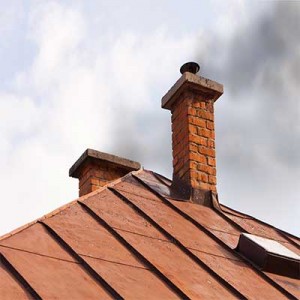 Protect the Chimney
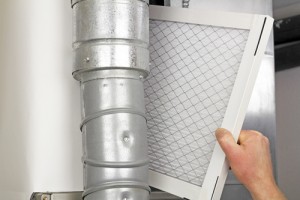 Most of us don’t need to use our furnaces during the warmer months, and while the warmer days are great they also mean that our furnaces have been inactive for months at a time and issues such as worn-out mechanical parts, will still be present as you begin using it again.
 A furnace which has been well maintained will have to work less hard to heat the air in your home throughout the winter.
 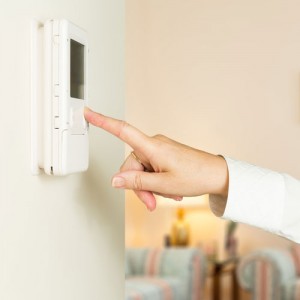 Have you been struggling to adequately cool your home during the summer months? If you’ve been noticing a noticeable difference in temperature when you walk from one room to another or when you move between levels of your multi-story residence, then your
 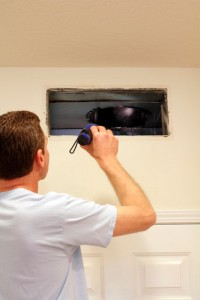 3. Invest in a Zoning System for Your Home
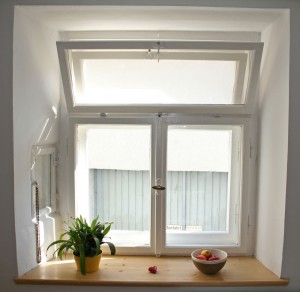 From spring to fall, you’ll notice that the weather report often includes a current pollen count. That’s because a wide range of plants, weeds, grasses, and trees produce pollen during this time.
 3. Lower the Humidity In Your Home
 With the 4th of July weekend just around the corner, its time to get your home ready for the star-spangled celebration.
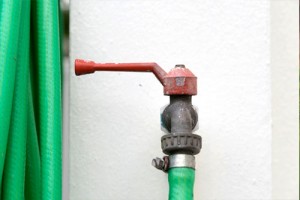 Winter is over! It’s time to turn your outside faucets on to wash and spray off the patio, clean your windows and run water for yard work purposes in the preparation for the 4th of July holiday.
 Test your soil for nutrients, PH, and mineral levels to learn what your soil is deprived oand add the recommended amount.
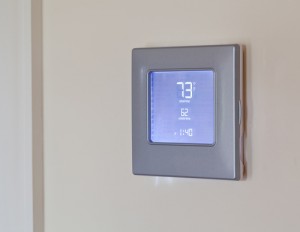
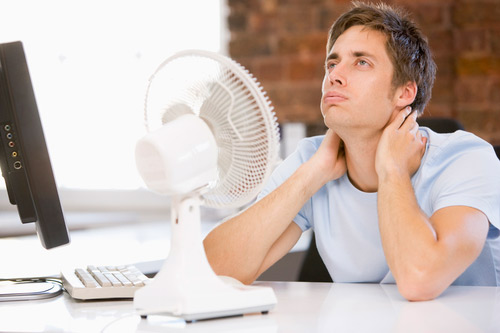 There are many styles of programmable thermostats on the market that can help regulate the heating and cooling systems. Most of them are electronic. They all can have a disastrous effect on your home if they aren’t working correctly. You may be unfamiliar with the different problems that programmable thermostats can present if they are malfunctioning. Here are 5 ways to tell if the thermostat in your home isn’t working. Some of them you may be able to fix yourself, some of them may require someone who is certified in thermostat repair.
 Box Must be Level